Will a Dumpster Shift or Break My Pavers?
Want to know something interesting? if you’re undertaking a home remodeling or cleanup project in the hampton roads area, using a dumpster is often the most efficient way to manage debris. But if your driveway features unsealed pavers, concerns about potential damage are common. Will a dumpster shift or break my pavers? How can I protect the driveway surface from heavy loads? Which dumpster sizing options are best for my project? And how do local dumpster providers compare with national brokers? This comprehensive guide will answer these questions and more.
Understanding the Risks: Dumpster on Unsealed Pavers
Unsealed pavers are a beautiful and durable option, but they rely on tight joints and stable ground support. Unlike poured concrete or asphalt, pavers can shift if subjected to uneven or concentrated weight. Dumpsters, when loaded with heavy debris, can exert significant pressure on specific points.
Common issues when placing a dumpster directly on unsealed pavers include:
- Paver shifting: The weight of the dumpster can cause individual pavers to move, especially if the base beneath isn’t compacted adequately.
- Surface cracking: Although pavers themselves are strong, sharp corners or edges impacted by heavy contact may chip or crack over time.
- Indentations or depressions: Uneven weight distribution can cause the sand or gravel base underneath to compress unevenly.
These effects don’t just hurt the appearance of your driveway; they can lead to costly repairs or even unsafe footing.
Why Paver Driveway Protection Matters
Protecting your paver driveway is critical if you want to avoid disruption or additional expenses after your project ends. The good news? With proper preparation, dumpsters can be placed safely on unsealed pavers without shifting or breaking.
How to Protect Pavers Under a Dumpster
The key to protecting your driveway lies in distributing the dumpster’s weight evenly and reducing direct contact points that could apply pressure or abrasion to the pavers.
Using Hardwood Boards as Protective Contact Points
One of the industry-standard methods for paver driveway protection is placing thick hardwood boards under the dumpster’s contact points:

- Material selection: Hardwood, such as oak or maple, is preferred because it withstands compression without deforming easily.
- Board thickness: At least 2 inches thick, to spread the weight over a larger area.
- Placement: The boards are positioned where the dumpster’s edges and wheels will rest, acting as a buffer between the dumpster and your pavers.
This method reduces the risk of shifting by stabilizing the base and prevents chipping or cracking by avoiding direct hard contact.
Local Fleet vs National Brokers: Why It Makes a Difference
When renting dumpsters, you can choose between local fleet operators in the Hampton Roads area same day dumpster delivery or national brokers who subcontract with multiple providers. Each has pros and cons, but for delicate surfaces like paver driveways, local providers often offer superior service and attention to driveway protection.
Advantages of Local Fleet Providers
- In-depth local knowledge: Experienced operators understand typical driveway materials in the region and recommend appropriate protection strategies.
- Customized service: Locals may offer hardwood board placement as standard or upon request, ensuring your pavers are safeguarded.
- Direct communication: Easier scheduling, pickup, and specialized instructions tailored to your property.
Considerations for National Brokers
- Fee transparency: Some brokers offer flat-rate pricing but may lump protection into add-on fees or restrict board placement requests.
- Limited site assessment: Relying on subcontractors can lead to inconsistent driveway protection standards.
- Longer response times: Scheduling and issue resolution may take longer.
For projects involving sensitive driveway surfaces, local fleet providers in Chesapeake, Virginia Beach, and the surrounding Hampton Roads area tend to deliver better assurance.
Dumpster Sizing: Picking the Right Size for Your Real Project
Choosing the correct dumpster size is also critical to protecting your pavers. Oversized dumpsters not only take up more driveway real estate — increasing potential for contact and weight distribution issues — but can also increase your rental costs unnecessarily.
Common Dumpster Sizes and Uses
Dumpster Size (Yards) Dimensions (Approximate) Typical Uses 10-yard 12 ft L × 8 ft W × 3.5 ft H Small remodels, bathroom/kitchen tear-outs, light cleanouts 15-yard 16 ft L × 8 ft W × 4 ft H Moderate remodeling, roofing cleanouts, garage clearouts 20-yard 22 ft L × 8 ft W × 4.5 ft H Larger remodeling jobs, full roofing projects, bulky debris 30-yard 22 ft L × 8 ft W × 6 ft H Major home renovations, new construction debris disposalFor most residential projects on paver driveways, a 10 to 15-yard dumpster is sufficient and easier to position carefully with protective boards. Bigger sizes require more area and put more weight on the driveway.
Flat-Rate Pricing and Fee Transparency: What to Expect
Understanding dumpster rental pricing helps avoid surprises. In Hampton Roads, flat-rate pricing models today commonly cover rental duration (usually 7 days), delivery, pickup, and disposal fees up to a specified weight limit.
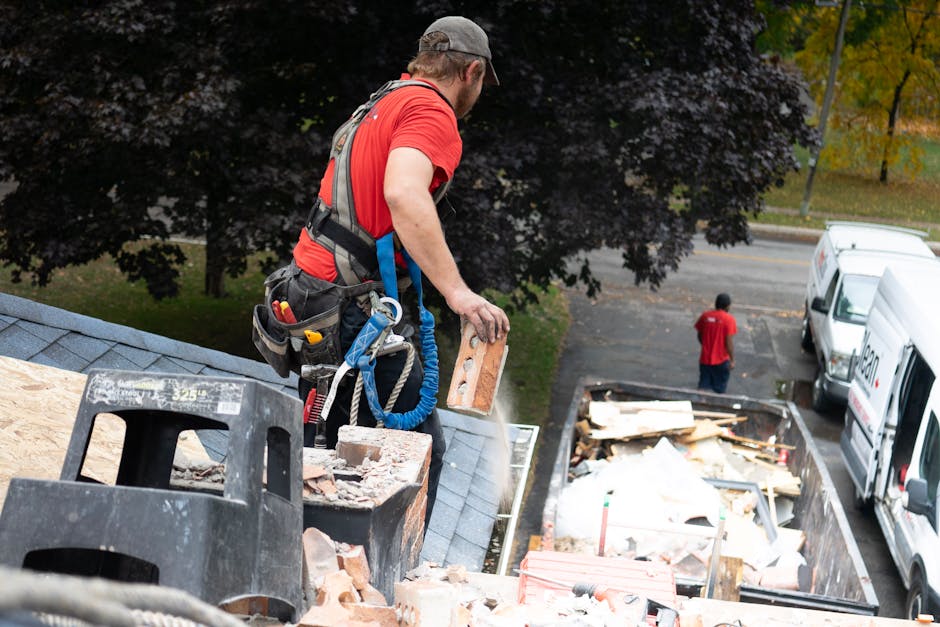
Important Pricing Details:
- Standard weight limits: Around 2-3 tons included; overage charges apply per ton.
- Protection extras: Some providers include driveway protection (hardwood boards) at no extra cost, while others charge a separate fee.
- Permit fees: If dumpster placement requires a city permit (such as on the street), this fee is usually additional.
- Clear fee explanation: Reputable local providers list all potential fees upfront in quotes and contracts.
By discussing protections and driveway conditions with your dumpster provider upfront, you can ensure no hidden fees appear later.
Tips for a Safe Dumpster Placement on Your Paver Driveway
- Communicate your driveway type: Make sure your rental company knows you have unsealed pavers requiring protection.
- Request hardwood boards: Always ask if hardwood boards will be placed, or arrange to provide them yourself if necessary.
- Confirm flat, stable placement: Position the dumpster where the driveway is flat and well-supported to avoid tipping or concentrated stress.
- Limit the dumpster size: Choose the smallest dumpster that suits your project to minimize driveway impact.
- Inspect before and after: Take photos of your pavers before delivery and after pickup to document any changes.
- Consider alternate placement: If your driveway cannot support a dumpster safely, explore placing it on a concrete pad, driveway extension, or street (with permit).
Conclusion
Will a dumpster shift or break my pavers? The risk exists but can be significantly minimized by using hardwood boards as protective contact points, choosing the right dumpster size, and working with a knowledgeable local fleet provider who values transparency and customer care. Protecting your beautiful paver driveway requires communication, preparation, and the right equipment.
If you’re planning a remodel or cleanup in Virginia Beach, Chesapeake, or nearby Hampton Roads communities, always consult with your dumpster provider about paver driveway protection before delivery. A small upfront effort means you’ll avoid costly repairs and maintain the integrity of your property’s curb appeal.
Need help selecting the perfect dumpster and protecting your paver driveway? Reach out to trusted local dumpster companies who specialize in our regional driveway conditions for the best results.