What Questions Should I Ask Before Booking a Dumpster Rental?
When planning a home renovation, cleanout, or construction project in Hampton Roads, one of the key early steps is securing a dumpster rental. It sounds simple, but choosing the right dumpster rental company can save you headaches, protect your property, and keep costs manageable. With options ranging from local providers to national brokers, pricing structures that aren’t always transparent, and important considerations such as driveway protection, there’s a lot to understand before you book.

In this guide, we’ll cover the important questions you should ask before reserving your dumpster. You’ll learn how to evaluate:
- Driveway protection — including whether hardwood driveway protection boards are included,
- Pricing — what does “flat-rate pricing” really mean and how transparent are fees?
- Dumpster sizing — how to choose the right bin size for your actual project needs, and
- Local fleets versus national brokers — pros and cons of each.
1. Is Driveway Protection Included? Do You Provide Hardwood Driveway Protection Boards?
Hampton Roads homes often have beautiful paved or concrete driveways that homeowners want to keep intact. When a dumpster is placed in your driveway, heavy metal dumpsters can cause scratches, dents, or even cracking — especially if the driver doesn't use the right protection.
Ask your dumpster provider:
- Do you provide hardwood driveway protection boards under the dumpster at no extra cost? Many reputable local providers include thick, hardwood boards under the dumpster to distribute weight and prevent damage.
- If not included, can I rent or purchase driveway protection boards? Some companies require you to pay extra for driveway protection materials.
- What is your procedure for placing dumpsters on driveways or delicate surfaces? Experienced companies will have trained drivers who carefully set the dumpster down with protection.
Pro Tip: Don’t just assume the dumpster rental includes this service. Driveway repair can be costly and time-consuming, so explicit confirmation of driveway protection practices is a must.
2. What Does Your Pricing Include? Is There a Flat-Rate and How Transparent Are Additional Fees?
Dumpster rental pricing can be confusing with multiple variables: rental duration, included weight, overage fees, permits, and possible extension or late fees. Asking targeted questions upfront helps you avoid sticker shock when the invoice arrives.
Pricing Component What to Ask Why It’s Important Rental Period Is the price based on a fixed rental window (e.g., 7 days)? What is the extension fee per day after that? Ensures you understand how long you can keep the dumpster before extra charges apply. Included Weight Limit What is the included weight (tons or pounds)? What happens if I go over? Most dumpsters come with a weight limit; exceeding it usually involves expensive overage fees. Additional Fees Are there fees for permits, deposits, fuel surcharges, or prohibited materials? Avoid surprises by knowing all potential extras in advance. Flat-Rate Pricing Is your pricing truly flat-rate, or are there variable costs based on usage? Flat-rate is easier to budget but sometimes masks hidden fees.Many local dumpster rental companies in Hampton Roads offer transparent flat-rate pricing where all fees, weight limits, and rental durations are clearly explained upfront. National brokers sometimes advertise low base prices but add on many fees later, so don’t be shy about requesting a full written quote detailing all costs.
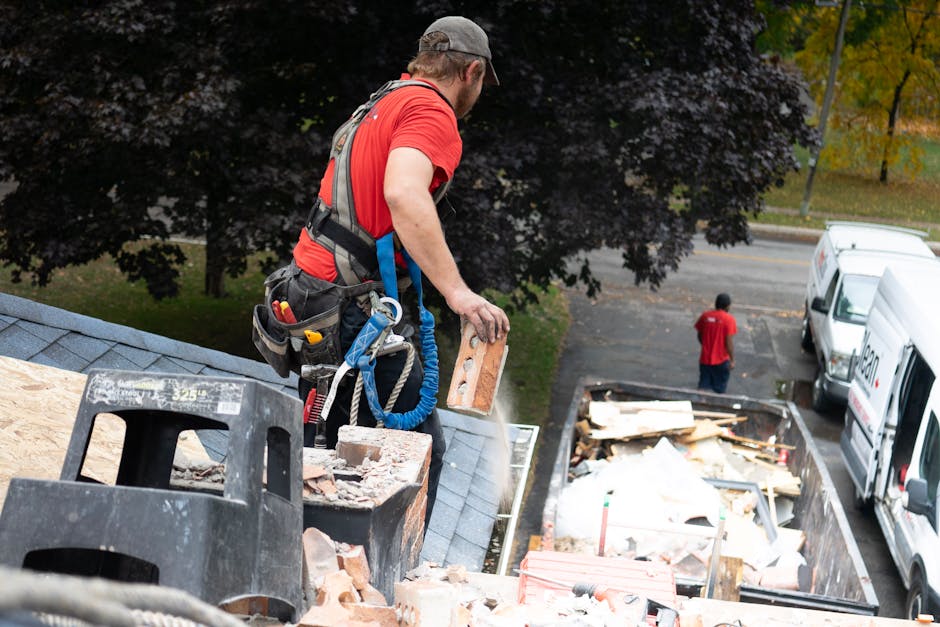
Understanding the Extension Fee Per Day
Projects often run longer than expected. Ask what the extension fee per day is if you keep the dumpster beyond the initial rental period. Some companies charge as little as $10-$20 per day, while others charge much higher rates. Knowing this helps you plan for contingencies.
3. How Do I Choose the Right Dumpster Size for My Project?
Dumpster sizes vary widely, usually measured in cubic yards – common sizes in Hampton Roads include 10, 15, 20, 30, and 40-yard dumpsters. Picking the right size saves money and hassle.
Common Projects and Recommended Dumpster Sizes:
- Small cleanouts or minor home remodeling: 10-15 yard dumpster
- Medium demolition or remodeling projects: 20-30 yard dumpster
- Major construction or large cleanouts: 30-40 yard dumpster
Ask:
- Based on my project description, what dumpster size do you recommend?
- What’s the maximum fill height? (Important so you comply with safety laws)
- Are there weight limits tied to different dumpster sizes?
Remember, bigger is not always better. Ordering too large of a dumpster can lead to unnecessarily high fees. Too small and you risk overloading or having to schedule multiple pickups, increasing costs.
Tips for Accurate Sizing
- List the type and estimated quantity of debris.
- Consult with local providers who know the area and typical project scales.
- Ask about prohibited items or materials that could limit dumpster use (e.g., certain hazardous waste).
4. Should I Rent From a Local Fleet or a National Broker?
This is a common consideration. Each option has benefits and drawbacks.
Aspect Local Fleet National Broker Service Quality Often more personalized, experienced with local roads, can offer driveway protection boards and placement expertise. May subcontract locally, less direct control, sometimes impersonal customer service. Pricing Transparency Typically more transparent pricing; local reputation depends on customer satisfaction. Competitive base rates but may include unexpected fees; less price transparency. Availability May have smaller fleets; sometimes limited availability on short notice. Large networks, often available nationwide with quick booking. Local Knowledge Knows local permit requirements, HOA rules, and optimal dumpster placement. Less likely to have local insights, possibly resulting in more trouble with permits or placement.In Hampton Roads, I’ve found local dumpster rental companies that understand neighborhood regulations, can provide hardwood driveway protection boards to avoid damage, and offer straightforward flat-rate pricing. This local advantage matters when coordinating residential remodeling projects or roofing tear-offs, roofing dumpster rental where property care and communication are vital.
Summary: Essential Questions to Ask Before Booking Your Dumpster Rental
- Driveway protection: Are hardwood driveway protection boards included? What is your procedure for protecting the driveway or other delicate areas?
- Pricing and fees: What is the flat-rate price? What is the included weight limit? What are overage fees or extension fees per day?
- Dumpster size: Based on my project, what size do you recommend? What are the fill height and weight limits?
- Company type: Are you a local fleet or a national broker? How do you handle permitting and local regulations?
Taking time to ask these questions upfront will help you avoid surprises, stay within budget, and protect your property during your Hampton Roads home project. Whether you’re tearing off a roof, remodeling a kitchen, or performing a yard cleanout, the right dumpster rental partner can be a huge asset.
For remodeling project managers and homeowners alike, the peace of mind that comes with transparent pricing, proper driveway protection, and trusted local service is priceless.