Is Fan-Only Mode Worth Using in Spring and Fall on a Mini Split?
As we welcome the mild, ever-so-temperate shoulder seasons of spring and fall, many mini split owners wonder: is fan-only mode worth it? With heating and cooling demands lower, does circulating air without active cooling or heating actually benefit your home’s comfort and your system's longevity? And how do brands like Zone Air, MRCOOL, and Pioneer support or complicate this choice? Let's dive into the nuanced world of fan-only mode, DIY vs. not-really-DIY mini splits, aesthetics and placement, line set strategies, and what mixing air handler types on a single condenser means in practice.
Understanding Fan-Only Mode: What It Is and Why It Matters
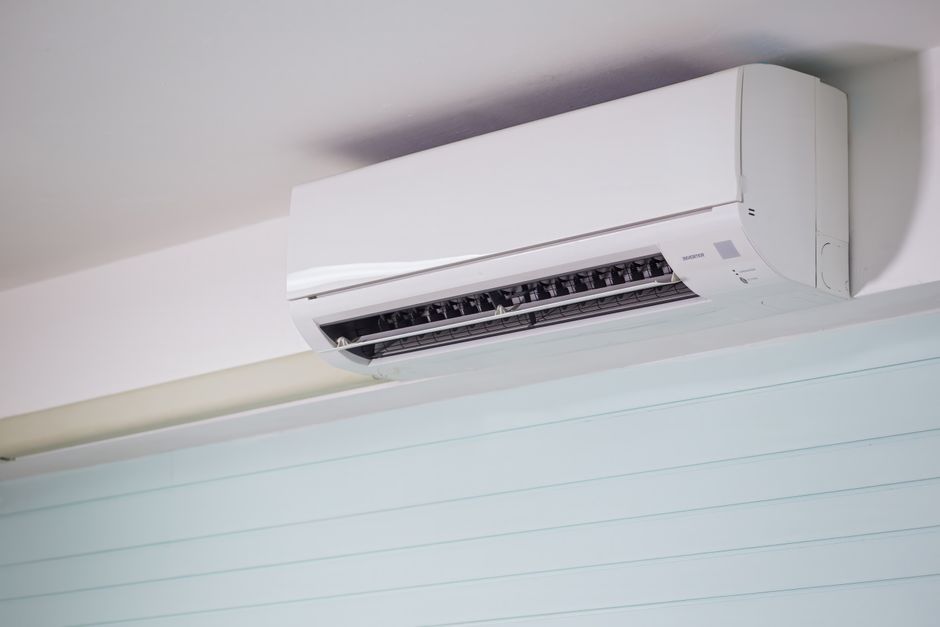
Mini split systems are celebrated for their energy efficiency and flexibility. Among their many modes, fan-only mode simply spins the indoor air handler fan without running the compressor for heating or cooling. Essentially, the system acts as an air circulator.
In the shoulder season — the transitional periods of spring and fall — temperatures often hover in that comfortable “do I need the heat or the A/C?” zone. Utilizing fan-only during these months can provide gentle air circulation without engaging the energy-intensive compressor. But is it *worth* it?
Benefits of Fan-Only Mode During Shoulder Season
- Improves Air Circulation: Helps distribute air evenly, mitigating hot or cold pockets without altering temperature.
- Maintains Air Quality: Combined with proper filtration, fan-only mode helps circulate and filter stale air, useful when windows remain closed.
- Energy Savings: The fan uses considerably less power than the compressor, making it a low-consumption option for mild days.
- Reduces System Cycling: Frequent compressor cycling can wear components; fan-only keeps airflow moving without that stress.
Cons and Considerations for Fan-Only Mode
- Limited Impact on Temperature: Fan-only mode doesn’t warm or cool; if you crave temperature control, you’ll need to switch modes.
- Humidity Control: Mini splits dehumidify as part of their cooling cycle; fan-only mode generally doesn’t impact indoor humidity levels.
- Potential for Overuse: Running the indoor fan extensively without occasional compressor operation can impact coil and drip pan cleanliness, inviting mold over time.
- Line Set and Leak Considerations: If you’re DIYing your mini split, improper sealing or coiling of refrigerant lines can cause leaks that fan-only won’t detect since the compressor isn’t running.
True DIY vs. Not-Really-DIY Mini Splits: Why It Matters for Fan-Only Mode
Brands like MRCOOL and Pioneer tout “DIY mini splits,” but there’s an important distinction between true DIY (user-complete installation of refrigerant lines, evacuation, and pressure testing) versus simplified DIY with pre-charged line sets or quick connect fittings. This difference critically affects how safely and effectively you can use fan-only mode.
True DIY Mini Split Installations
True DIY mini splits, such as many offered by Zone Air, require built-to-order refrigerant line lengths and proper vacuum evacuation before refrigerant is released. The Zone Air Build Your Own tool is a notable example, helping buyers customize precisely the line set length and equipment combo they need.
With true DIY, you and your licensed HVAC tech (yes, licensed tech is often legally required for line evacuation and leak testing) guarantee system integrity upfront. This means you can confidently run fan-only mode knowing line set sealing and couplings are sound — reducing leak risks and preserving long-term performance.
Not-Really-DIY Mini Splits and Quick Connect Fittings
Other systems, like many MRCOOL units, use factory-sealed quick connect line sets that do not require HVAC tech intervention for installation. While this is easier for a non-expert contractor or daring homeowner, it shifts constraints on aesthetics and line set placement since line networks must be close and simple.
Here's what kills me: fan-only mode may expose weaknesses in sealing since refrigerant lines are potentially subjected to line set coiling and thermal expansion stress — factors that quick connect fittings aren’t always designed to tolerate long term.
Aesthetics and Placement: Mini Split Decisions are Also Decor Decisions
Anyone who's wrestled with a mini split in a historically charming home with plaster walls and original trim understands: installation is as much about art as science. You want your air handlers and line sets to blend with decor, not scream “HVAC!”
Where you decide to place the indoor air handler(s) impacts the effectiveness of fan-only mode because airflow patterns vary by location:
- Line-of-Sight Placement: A unit placed in clear sight is easier to service but risks dominating a gallery wall or mural. Use cardboard cutouts to test head placement before installation.
- Off-Center Options: Concealed corners or above doorways can channel airflow subtly, perfect for gentle fan-only mode circulation without interrupting visual flow.
- Line Hide Strategy: The refrigerant line set run — often following baseboards or running up exterior walls — will be visible from patios or neighbors’ yards. Consider finishing options or conduit colors to camouflage.
Things That Ruin a Gallery Wall
- Exposed line sets cutting through art focal points
- Randomly placed indoor heads that throw off symmetry
- Uncoordinated conduit colors clashing with trim or paint
Line Set Strategy and Leak Risk with Fan-Only Mode
The refrigerant line set is arguably the most delicate and crucial component of your mini split system. Poor line management or coiling can cause leaks that not only degrade system performance but create expensive repairs.
In DIY installations, particularly, it’s tempting to coil excess line sets tightly behind indoor heads or around corners. However, tight coils increase stress on couplers and fittings — especially problematic if you plan to regularly use fan-only mode, which can highlight small leaks only visible during compressor operation cycles.
Always aim for gentle bends, secure line clamps, and proper insulation. Using premium quick connect fittings comes with advantages of speed and consistency, but verify local electrical and mechanical codes to avoid problems. Remember: just because it's marketed DIY doesn’t erase code compliance.
Mixing Air Handler Types on One Condenser: A Consideration for Fan-Only Mode
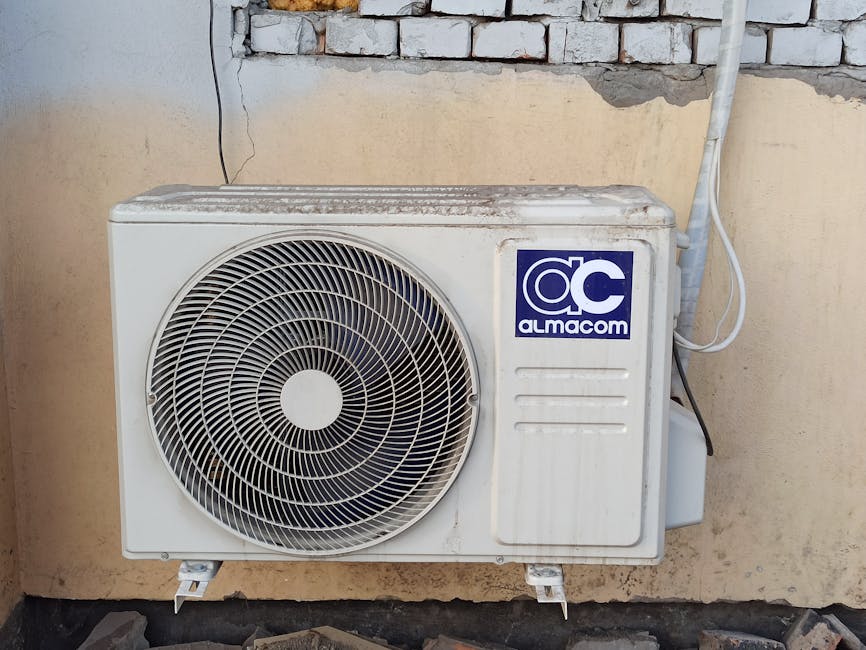
Some homeowners opt to mix air handler types (wall-mounted, ceiling cassette, floor mount) on a single outdoor compressor to tailor airflow to room usage and aesthetics. While this flexibility is fantastic, it does raise a fan-only mode question.
Different air handlers have varying fan wattages and circulation characteristics. Running fan-only mode with mixed units can lead to uneven air distribution or differing noise levels in the house. For example, ceiling cassettes with powerful multi-directional fans can cause stronger air currents compared to quieter wall mounts.
If you plan to rely frequently on fan-only across seasons, it’s wise to keep consistent air handler types or at least run tests using cardboard cutouts and sound level apps to gauge live impact before final installation.
Bottom Line: Should You Use Fan-Only Mode in Shoulder Seasons?
Scenario Fan-Only Mode Benefit Considerations True DIY Mini Split (e.g., Zone Air Build Your Own) Excellent for energy savings and safe long-term operation. Requires proper installation & licensed HVAC tech for evacuation. Quick Connect DIY Units (e.g., MRCOOL, Pioneer) Good ease of installation, usefulness depends on line set placement quality. Watch for coil stress and verify sealing periodically. Homeowners Focused on Room Aesthetics Can use fan-only mode successfully with correct head placement and line hiding. Use cardboard cutouts to pre-visualize airflow and sight lines. Mixed Air Handler Types on One Condenser Possible fan-only use if airflow and noise are acceptable. Test airflow quality and fan noise before committing.Final Thoughts
Fan-only mode on mini splits is not just an “add-on” feature — it’s a thoughtful approach to shoulder season HVAC management that can save energy, improve air circulation, and extend equipment life when done right. It demands respect for line set strategy, commitment to aesthetic choices, and an understanding of your system’s DIY nature.
Whether you’re using Zone Air’s Build Your Own tool to tailor your true DIY install or embracing the convenience of MRCOOL or Pioneer quick connect fittings, always keep local codes and licensed technician involvement top-of-mind. And if you dread seeing that line set from the patio or ruining a gallery wall, plan accordingly — a little prep goes a long way.
So yes — fan-only mode is worth using in spring and fall *if* you’ve thought ahead about https://knockoffdecor.com/diy-multi-zone-mini-split/ the mechanical and aesthetic factors. And trust me, that prep will pay dividends in comfort and style throughout the shoulder seasons.